Health and Safety News
 |
|---|
| Identifying and dealing with the common causes of fire affecting commercial kitchens |
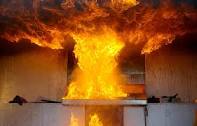
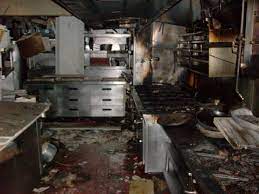
| Although temperatures appear to have peaked, now is still a good time to review fire risks for your commercial kitchen and what action you need to take to mitigate the threat of fire threatening your property and people.
Common Causes of Catering Fires No matter the size of your workplace there are many aspects of the work carried out in kitchens that can potentially lead to the outbreak of fire. Faulty cooking equipment, including fan motors within extraction systems, can lead to fires or sparks being generated, often in proximity to hot oils/fats. These can also ignite combustible deposits inside extraction ducts. Good housekeeping, cleaning regimes, controls and regular servicing and maintenance of the cooking equipment (following the manufacturer’s instructions), is therefore essential to minimize the risk of such incidents and should form part of your preventative maintenance schedule. Fire and explosion can also be caused by poor or no maintenance of gas appliances. To prevent such fires, ensure that an annual inspection and maintenance of gas appliances is carried out by competent people, including the regular cleaning of ventilation filters and ducting. Typical Fire Hazards in Kitchens Typically, with multiple heat sources and the presence of a variety of combustible materials, catering workplaces contain many potential fire hazards. Commercial kitchens use high temperature cooking oils, slow cooking appliances and deep-fat fryers, all of which can represent challenges in maintaining a safe working environment that is health and safety compliant. The main fire hazard in any commercial kitchen is the use of heated oils/fats and the risk of overheating. This can be due either to operator error or a fault with cooking equipment, such as faulty thermostatic controls. Many chemicals used in general cleaning regimes, such as Caustic Soda, are subject to CoSHH (Control of Substances Hazardous to Health) control measures, and in some cases may be flammable themselves. (If you are undertaking cleaning, ensure you follow the Safety Data Sheet recommendations including cleaning residue and PPE requirements). Kitchen Fire Suppression Systems In these working conditions, Fire Suppression Systems (FSS) can ensure a safe working environment by automatically detecting and extinguishing canopy and range fires, using advanced extinguishing agents specifically designed to effectively combat kitchen fires. They can also limit damage so that the operation of the kitchen can be quickly reinstated once the fire has been safely extinguished. FSSs are automatic pre-engineered systems designed to protect the kitchen area including ducts and plenums, as well as all cooking appliances such as deep fat fryers, woks, griddles, salamanders, chain broilers and more. They work by automatically detecting and extinguishing canopy and range fires. In addition, they can also significantly reduce the insurance costs of industrial and commercial kitchens. Indeed, the installation and maintenance of a Fire Suppression System may be a condition of your insurer for providing insurance cover. The insurer may also require biannual maintenance to ensure system functionality and compliance to British and European Standards. Inspection and Maintenance for Ventilation Systems In commercial kitchens extraction are carried out via an overhead canopy and ducting system that discharges into the atmosphere, so that grease will not be deposited on the building or adjoining properties. The system can be constructed of galvanised or stainless steel, with all seams and joints liquid tight, and have smooth surfaces to enable cleaning and suitable lighting arrangements. Ducting systems will usually meet the following criteria:
For requirements for the LPCB approval and listing of the fire performance of grease filters used in commercial kitchen extract systems see the link to the standard document, as below. Your insurer may also recommend the cleaning of kitchen extraction ductwork to the Heating & Ventilation Contractors’ Association (HVCA) standard TR/19 Internal Cleanliness of Ventilation Systems. There are concerns among insurers regarding the standard of ductwork cleaning. In an aim to raise standards the National/Loss Prevention Certification Board (LPCB)* are looking to work more closely with insurers to promote the use of approved duct cleaning companies nationally. There are currently four companies approved to the standard (LPS2084), all of which are national companies which provide coverage across the UK. * The Loss Prevention Certification Board (LPCB) is an independent certification body operated by BRE Global. It provides third party approval of the fire and security performance of products and services to a range of global standards including its own Loss Prevention Standards (LPS). In Summary As the owner of a commercial kitchen, take time to review the fire risks in your workplace, and look at ways in which you can improve safety and protect your people and property. Remember: be sensible, be alert and do not let poor housekeeping or negligence be the cause of fire in your kitchen. Useful Resources: For further information see Fire Safety in Commercial Kitchens in the H&S A-Z including the following guidance: The HSE’s Maintenance priorities in catering Loss Prevention Standard LPS 1263 – for requirements for the LPCB approval and listing of the fire performance of grease filters used in commercial kitchen extract systems Click on the link for further details of the standards and third party certification in the BRE guidance New guidance on cleaning and maintaining industrial and commercial kitchen extraction and ventilation systems has been published by the National Association of Air Duct Specialists UK. The document – NAAD21 – is a collaboration between industry experts and other associations, and covers both grease and air quality. |